
Mental health in remote teams: A key factor for stability, performance, and trust
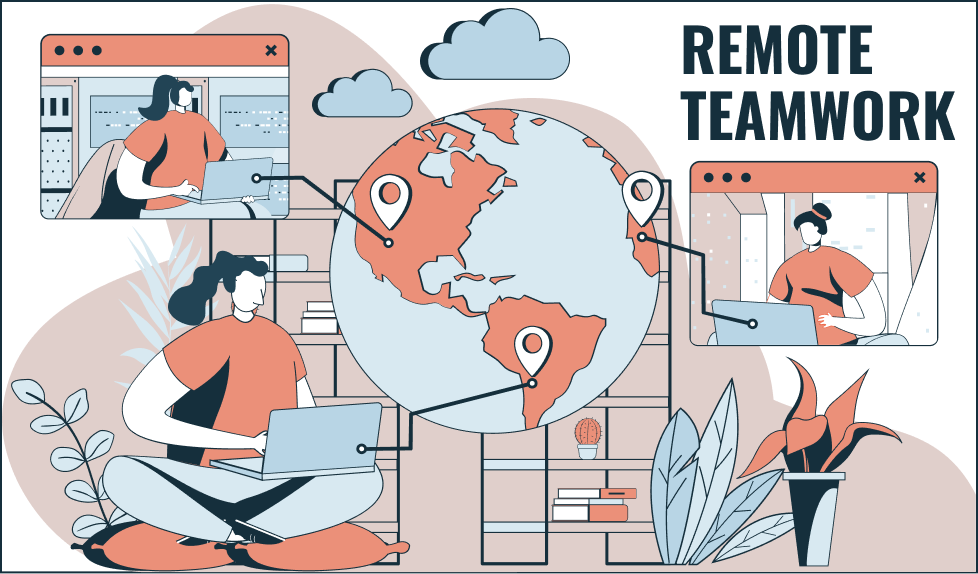
Remote work is here to stay. But with this new flexibility come new challenges – especially when it comes to mental health. At KUNO, we’ve been remote-first from day one. We founded our company in the middle of the COVID-19 pandemic – at a time when flexibility, digitization, and physical distance were already part of everyday life.
What felt like a transformation for others was our starting point. Many of our team members have experienced or even helped lead similar transitions in other organizations – and now bring that experience into the way we work.
At the same time, we know: Remote first doesn't mean remote only. For our Berlin-based colleagues, it's important to have access to a small office space – for collaboration, workshops, or simply to enjoy lunch together in person.
In this article, we’re sharing how we support mental wellbeing across our distributed team – and the key role our partner nilo plays in this.
Why is mental health especially challenging in remote teams?
Remote work brings many benefits: more flexibility, no commuting, better focus. But it can also feel isolating. When the spontaneous chat in the kitchen is missing, when the line between work and personal life fades, and when team members only see each other on video calls – that can be a real strain.
That’s why it’s essential to build structures that promote mental stability – and create a culture where mental wellbeing is naturally integrated into the way we work.
What we do at KUNO: structure, connection and openness
As an HR and payroll service agency, we don’t just offer structured processes to our clients – we live them ourselves. That’s why we’ve intentionally introduced formats and tools that strengthen collaboration and connection in our remote day-to-day.
Daily team check-ins
Every morning, our teams meet briefly – to exchange updates, align priorities, and support each other. It helps us start the day with focus and consistency.
1:1s with managers & mentoring
One-on-ones with managers are standard at KUNO. In addition, every team member has a mentor – someone outside the reporting line to support professional development and be a sounding board.
Social formats – even at a distance
- Shared co-working sessions
- Monthly allhands
- Monthly meeting to discuss the results of the monthly eNPS survey
- Optional Coffee Catch-ups with leadership (open-door, not mandatory)
- Cross-team exchange sessions for knowledge sharing and connection – and when there’s time, sometimes rounded off with a virtual game
Clear expectations around availability
- Working hours are visible in calendars, focus time is blocked
- No emails to the team after 6 p.m.
- No spontaneous calls – always “knock before you call” in chat
- Everyone can set their preferred availability in their profile
These aren’t just soft guidelines – they’re part of a respectful and sustainable work culture, regardless of time model or role.
Best practices for mental health in remote setups
Here are a few principles we’ve identified through our own experience:
- Routines provide structure.
Regular check-ins, clear meeting rules, and consistent rhythms help teams stay grounded.
- Availability needs clarity.
Flexibility doesn’t mean being reachable around the clock. Boundaries must be respected.
- Leaders don’t need to “fix,” but they do need to be open.
It’s not about diagnostics; their role is to listen attentively, take signals seriously, and, if necessary, refer for further support.
- Take anonymous feedback seriously.
Our monthly eNPS includes a free-comment section and is discussed openly across the team – leading to concrete action.
- Create connection – even digitally.
Peer support, mentoring, shared learning formats and the occasional game foster team cohesion – even across distances.
- Don’t skip in-person events.
Regular team gatherings are essential for trust, motivation, and long-term collaboration. At KUNO, we organize in-person team days in Berlin – including workshops, activities, and of course, shared meals. These moments boost morale and provide valuable momentum that carries back into remote work.
nilo – a strong partner behind the scenes
We’ve worked with nilo for over a year now as our mental health partner – fully integrated into our workflows and mindset.
What nilo enables at KUNO:
- 1:1 coaching with certified coaches and psychologists
- Group sessions (on resilience, boundaries, focus, etc.)
- Guided meditations & self-learning tools
- HR dashboard with anonymous usage insights
- Access for all new team members from day one
nilo isn’t an “extra” for us – it’s a core part of our team culture. It’s regularly recommended, especially during mentoring sessions or times of personal challenge.
Impact: Since introducing nilo, our eNPS has significantly improved – reaching up to 100% positive feedback with over 70% participation.
Want to learn more?
In this short video, our CEO Erica answers a few questions about how we introduced nilo at KUNO and what we’ve learned from it.
Conclusion and more on LinkedIn
Mental health in remote teams is not an “extra task,” but a central foundation. Those who take it seriously don’t just strengthen their teams – they also enhance the performance and innovative capacity of the entire organization. Tools like nilo make it possible to provide access to mental health support digitally – professionally, confidentially, and flexibly. What truly matters is integration into everyday work: not as an exception, but as a standard.
In our joint LinkedIn series with nilo, we share additional concrete insights beyond the video mentioned above – into our work, our mindset, and our HR structures, including:
- a personal perspective on usage from our colleague Yvonne
- a one-pager on mental health in remote teams
📌 Questions on how to promote mental health in your team? Contact us directly or book an appointment
📌 Sign up for our newsletter to not miss any further helpful tips

.png)